Local SEO for Electricians Emergency Service Area Optimization: The 2026 Storm-Season Playbook
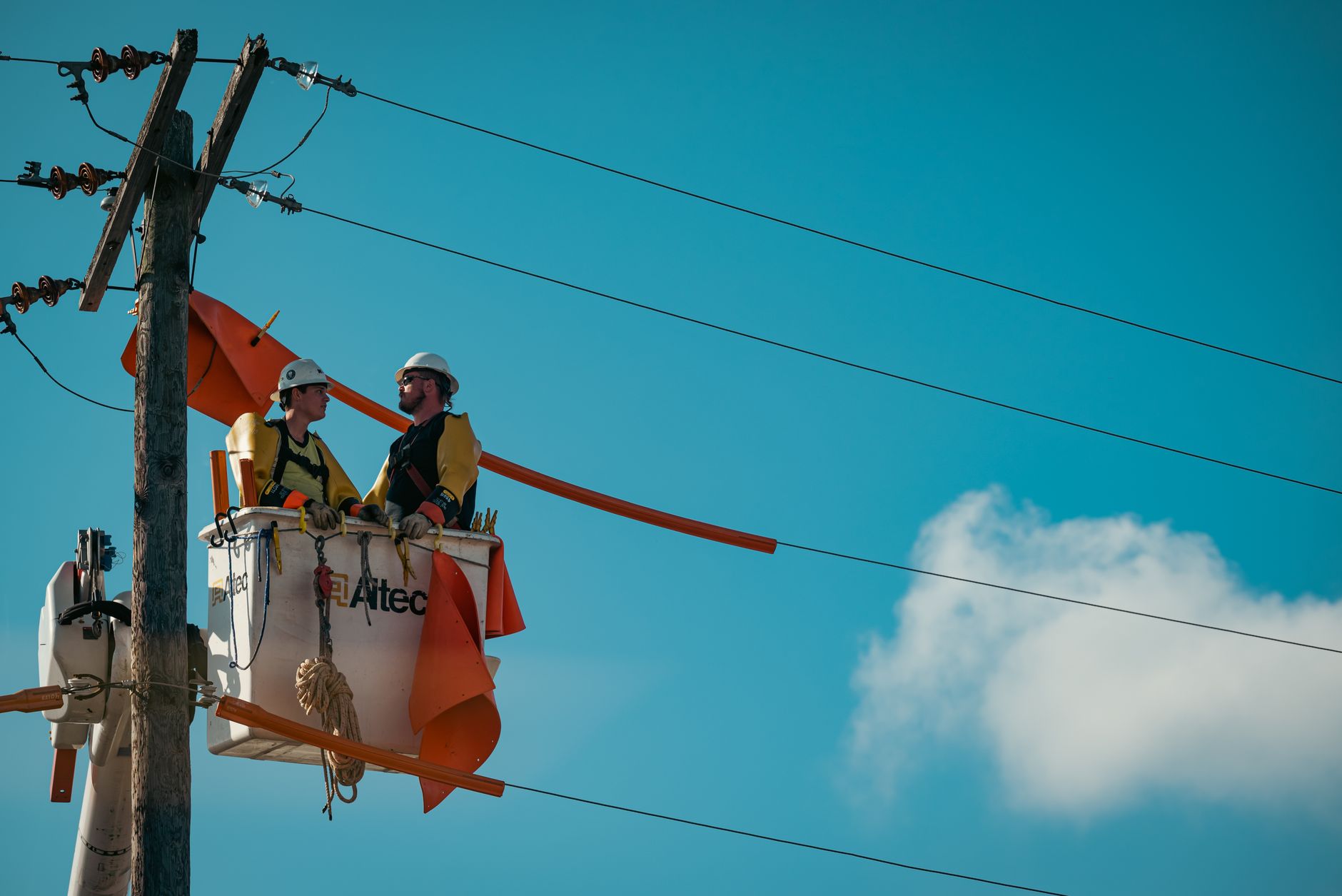
When Hurricane Debby’s remnants flooded the Gulf Coast in early August 2026, electrician Mike Torres in Tampa saw something he’d never experienced: his phone rang 47 times in four hours. But here’s the kicker—38 of those calls came from ZIP codes he’d never actively targeted. His competitors? They were still scrambling to update their Google Business Profile hours while Mike’s emergency service area optimization strategy had already put him in front of desperate homeowners three counties away.
That’s the power of local SEO for electricians emergency service area optimization done right. It’s not about ranking in your backyard. It’s about owning the map when disaster strikes and someone three towns over types “emergency electrician near me” at 2 AM.
Why Your Standard Service Area Is Killing Your Emergency Rankings
Most electricians set their Google Business Profile service area to a neat 15-mile radius and call it a day. That works fine for panel upgrades and ceiling fan installs. It completely collapses during emergencies.
Google’s local algorithm treats emergency searches differently. When someone searches “emergency electrician” or “power outage repair,” the system weighs proximity less heavily and prioritizes availability signals—24/7 hours, recent review velocity, and explicit emergency service mentions. This means a well-optimized electrician 25 miles away can outrank a closer competitor who hasn’t signaled their emergency readiness.
The data backs this up. BrightLocal’s 2026 home services study found that 61% of emergency trade searches result in a click outside the searcher’s immediate city, compared to just 23% for routine service queries. Your “service area” isn’t geography anymore—it’s perceived response capability.
The Three-Layer Service Area Strategy That Actually Works
Here’s how to build emergency service area optimization that captures demand beyond your typical radius without triggering Google’s spam filters.
Layer 1: GBP Primary Hub with Satellite Pages
Your main Google Business Profile stays anchored to your physical address. But you need separate location pages on your website for each emergency zone you serve—not thin doorway pages, but genuinely useful resources. Think “Emergency Electrical Repair in [County Name]: 24/7 Storm Response” with actual local information: which power companies serve that area, common outage causes by neighborhood, and realistic response times from your dispatch point.
Each page should include:
- Unique local imagery (not stock photos)
- Specific testimonials from that area
- Embedded map showing your route to key landmarks
- Local emergency utility numbers
Layer 2: Structured Data for Emergency Availability
Standard LocalBusiness schema isn’t enough. You need to layer in Service schema with availableChannel set to “Telephone” and hoursAvailable marked as “24/7” for emergency services specifically. More critically, add areaServed properties that explicitly define your extended emergency zones using GeoCircle with realistic radius values—typically 35-50 miles for emergency electrical work versus 15 for standard calls.
Layer 3: Review Geography Engineering
Google’s algorithm infers service area partly from where your reviews originate. After emergency calls, the follow-up request needs to be strategic. When Mrs. Henderson in Pasco County leaves that 5-star review about your 11 PM transformer repair, that review becomes a geographic trust signal that strengthens your ranking across her entire area.
Storm Season Content That Ranks Before the Winds Hit
The electricians who dominate emergency search aren’t reactive—they’re pre-positioned. Here’s the content calendar that works:
March-April (Pre-Season): Publish “Hurricane Electrical Preparedness Checklist for [Your Primary Metro]” and “Which Surge Protectors Actually Work in [Region]: Electrician Tested.” These capture early research intent and build topical authority.
May-June (Early Season): Release neighborhood-specific guides: “Power Grid Vulnerabilities in [Specific Subdivision or Historic District]” and “Generator Transfer Switch Requirements in [County]—2026 Code Update.”
July-October (Peak Season): Shift to real-time resources. “Live Power Outage Map [Region]—Electrical Safety During Restoration” with embedded social feeds and manual updates. This earns rapid backlinks from local news and community Facebook groups, which accelerates your emergency rankings across all connected areas.
November-February (Off-Season): Publish case studies from the previous season with specific locations named: “How We Restored Power to 34 Homes in [Neighborhood] After Hurricane [Name].” These maintain your geographic relevance signals year-round.
The “Near Me” Radius Hack Nobody Talks About
Google’s mobile local pack uses a dynamic radius based on search context. For “electrician near me,” it might show a 5-mile radius. For “emergency electrician near me,” that radius expands to 12-18 miles depending on result density. But here’s what changes the game: your address verification and hidden service area settings.
Most electricians don’t know that GBP has a secondary, hidden service area setting beyond the visible one. In your Google Business Profile dashboard, the “service area” you set publicly is different from the verification zone tied to your address. When you verify with a residential address (common for solo electricians), Google sometimes auto-constrains this hidden zone to an artificially small radius.
The fix: verify with a commercial address if possible, or request a manual review of your service area boundaries through GBP support. Include documentation of your actual emergency response capabilities—insurance certificates covering wider areas, fleet vehicle registrations, and customer testimonials from outlying areas.
Voice Search and the “Help Me” Emergency Query
Voice search dominates emergency situations. Someone standing in a dark kitchen with a flashlight is saying “Hey Google, help me find an emergency electrician” not typing precise keywords. These conversational emergency queries bypass traditional keyword optimization entirely.
To capture this, optimize for answer engine optimization (AEO) within your service area pages. Include FAQ sections that mirror natural speech patterns:
- “What do I do if my power goes out and I smell burning?”
- “How fast can an electrician get to [Specific Town] at midnight?”
- “Is it safe to reset my breaker if it’s sparking?”
Structure these with clear, authoritative answers (60-80 words) followed by deeper explanation. Google’s AEO systems extract these for voice responses, and when your answer is selected, your business profile gets preferential ranking treatment across your entire verified service area for 72 hours.
Conclusion
Local SEO for electricians emergency service area optimization isn’t a set-it-and-forget-it listing update. It’s a dynamic system that mirrors how people actually behave during crises—panicked, mobile-first, willing to call farther for faster help, and increasingly voice-dependent.
The electricians winning in 2026 aren’t just closer to the searcher. They’re perceived as closer to the solution. That perception comes from layered service area signals, storm-season content that earns authority before emergencies strike, and technical optimizations that expand Google’s implicit ranking radius when it matters most.
Start with one extended service area page this week. Pick the county where you’ve actually done emergency work but never optimized for. Build it with genuine local detail, mark it up with proper schema, and request reviews from every past customer in that zone. When the next storm hits—and it will—you’ll be the name that appears while your competitors are still figuring out why their 15-mile radius stopped working.
Like what you're reading?
Check out our recommended partner for this niche.
Grow with BerryBloom Agency →